A Crisis Like No Other
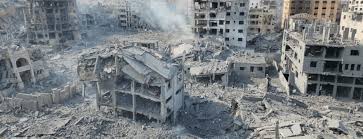
Gaza, home to over 2 million people, is facing a humanitarian catastrophe. Blockaded since 2007, it has been subjected to relentless airstrikes, leaving homes, schools, and hospitals in ruins.
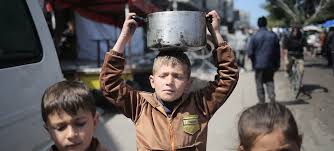
Children, who make up over half of Gaza’s population, bear the brunt of this violence. Trauma, displacement, and lack of access to basic rights have become their daily reality.


 Humanitarian Challenges in Gaza
The humanitarian crisis in Gaza, and in Palestine as a whole has reached unprecedented levels. Decades of illegal occupation and inhumane blockades, repeated military assaults, and the systematic destruction of infrastructure have left millions of Palestinians struggling for survival. The numbers below reflect the staggering scale of devastation and the urgent need for global intervention.
Latest Casualty Figures

Gaza
At least 45,399 people, including 17,492 children, have been killed. Over 107,940 people have been injured, and more than 11,160 are missing under the rubble.
Occupied West Bank
At least 834 people, including 171 children, have been killed, with over 6,450 injured.

Infrastructure Destroyed
Israeli bombings have damaged or destroyed:
- Over 50% of Gaza’s homes.
- 80% of commercial facilities.
- 88% of school buildings.
- 68% of road networks and cropland.
- 17 of 36 hospitals are partially functional.

Mass Incarceration
More than 11,000 Palestinians, including minors, are imprisoned without charges, legal representation, or due process, with reports of torture and inhumane treatment.
Infrastructure Destroyed
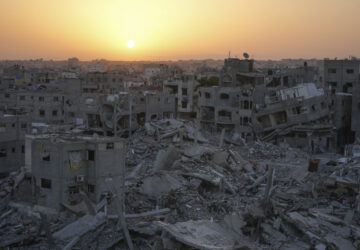
Israeli bombings have caused devastating damage to Gaza’s infrastructure, leaving essential services and facilities in ruins. The unprecedented scale of destruction impacts every aspect of life in Gaza and will require years of rebuilding efforts.
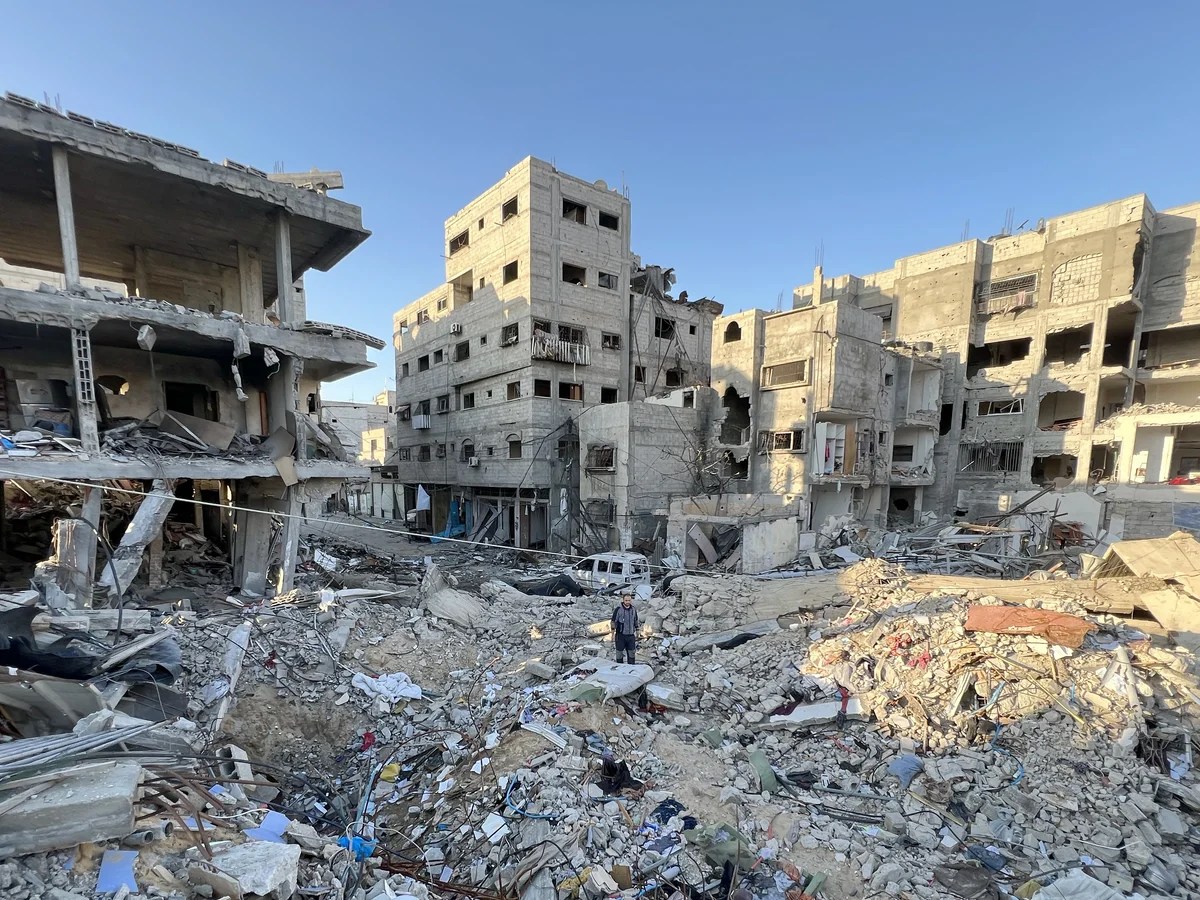
- Residential Buildings: Approximately 62% of all homes in Gaza, equivalent to around 290,820 housing units, have been damaged or destroyed. This represents the highest housing destruction rate since World War II.
- Commercial Facilities: 80% of Gaza’s commercial facilities are non-operational, resulting in catastrophic economic losses and unemployment.
- Educational Institutions: 88% of school buildings are unusable, depriving tens of thousands of children of their right to education and further disrupting their futures.
- Infrastructure: 68% of Gaza’s road networks and cropland have been obliterated, cutting off vital transportation routes and food production chains.
- Healthcare Facilities: 17 out of 36 hospitals are only partially functional, leaving thousands without adequate medical care during an ongoing humanitarian crisis.
- Rubble and Rebuilding: Over 40 million tonnes of rubble remain in Gaza. Clearing this debris is expected to take up to 15 years and cost between $500 million and $600 million.
Destroyed Homes
Damaged Schools
Hospitals Under Strain
The estimated total damage to physical infrastructure is $18.5 billion—equivalent to nearly 97% of Gaza’s combined GDP. Despite the urgent need for reconstruction, rebuilding efforts face significant challenges due to ongoing violations by Israel to block and restrict construction material getting in as well as life saving humanitarian ad, and lack of intervention by world governments. This has and will delay recovery for decades both psychologically, physically, and economically.
Violations of International Law
The ongoing occupation of Palestine and the blockade of Gaza constitute some of the most egregious violations of international law in modern history. These criminal actions contravene the Fourth Geneva Convention, United Nations (UN) resolutions, and multiple rulings by the International Court of Justice (ICJ). Despite global condemnation, accountability remains elusive. These are real people, real families with hopes and dreams, now living real nightmares.
Key International Law Violations
- Collective Punishment: The blockade of Gaza, in effect since 2007, is a form of collective punishment prohibited under Article 33 of the Fourth Geneva Convention.
- Targeting Civilians: Airstrikes on densely populated areas, including hospitals and schools, violate the principle of distinction and proportionality under international humanitarian law.
- Settlement Expansion: Israeli settlements in the West Bank are considered illegal under Article 49 of the Fourth Geneva Convention, which prohibits the transfer of an occupying power’s population into occupied territories.
- Forced Displacement: Thousands of Palestinians have been forcibly evicted from their homes in East Jerusalem and the West Bank, violating their right to property and residency.
- Blocking Humanitarian Aid: Preventing or restricting humanitarian aid, including food, medicine, and reconstruction materials, violates UN Security Council resolutions and the right to life and dignity.
Rulings by the International Court of Justice (ICJ)
The ICJ, the principal judicial organ of the United Nations, has addressed several key issues related to the Israeli occupation and actions in Palestine. Its rulings provide a legal basis for the rights of Palestinians and highlight the illegality of Israeli policies:
-
2004 Advisory Opinion on the Separation Wall: The ICJ ruled that the construction of the separation wall in the occupied West Bank violates international law. It determined that:
- The wall severely restricts the freedom of movement of Palestinians and undermines their right to self-determination.
- Israel is obligated to cease construction, dismantle existing sections, and make reparations to affected Palestinians.
- Illegal Settlements: The ICJ has reaffirmed that Israeli settlements in occupied territories are illegal under international law, emphasizing the applicability of the Fourth Geneva Convention.
- Self-Determination of Palestinians: The ICJ consistently highlights the Palestinian people’s right to self-determination as a cornerstone of international law and UN resolutions.
What Needs to Happen
The humanitarian crisis in Gaza requires urgent global action. There is no doubt that this is a man-made genocide inflicted by Israel. The international community must work collectively to ensure the protection of Palestinian lives and the restoration of their rights. Thousands of children have been lost, harmed, tortured, kidnapped. We have to act quickly and swiftly and it’s already been over a year in the recent history and over 76 years in the overall illegal occupation. All of us deserve a chance to be human. All of us are human. Children are angels and they are being starved to death in Gaza. Limbs lost, families lost, childhoods lost and replaced with nightmares. This won’t end unless we end it. Immediate steps must be taken to address the root causes of the conflict and provide long-term solutions.
Key Actions Needed
- End the Blockade: The siege of Gaza must be lifted to allow free movement of people and goods, access to humanitarian aid, and the rebuilding of vital infrastructure.
- Protect Civilians: All parties must adhere to international humanitarian law, ensuring the safety and dignity of civilians in conflict zones.
- Hold Perpetrators Accountable: International mechanisms must be employed to investigate and prosecute violations of international law and human rights.
- Ensure Humanitarian Aid: Unrestricted access to food, water, medical supplies, and reconstruction materials is essential for the survival and dignity of Gaza’s population.
- Promote a Just Peace: A lasting resolution to the conflict must uphold the rights and self-determination of the Palestinian people, based on international law and UN resolutions.
These actions require the collective effort of governments, international organizations, and civil society. The time to act is now—to prevent further suffering and ensure a future of justice and peace for all Palestinians.
